nCan centralized control help manage multiple Cargo Lift units efficiently?
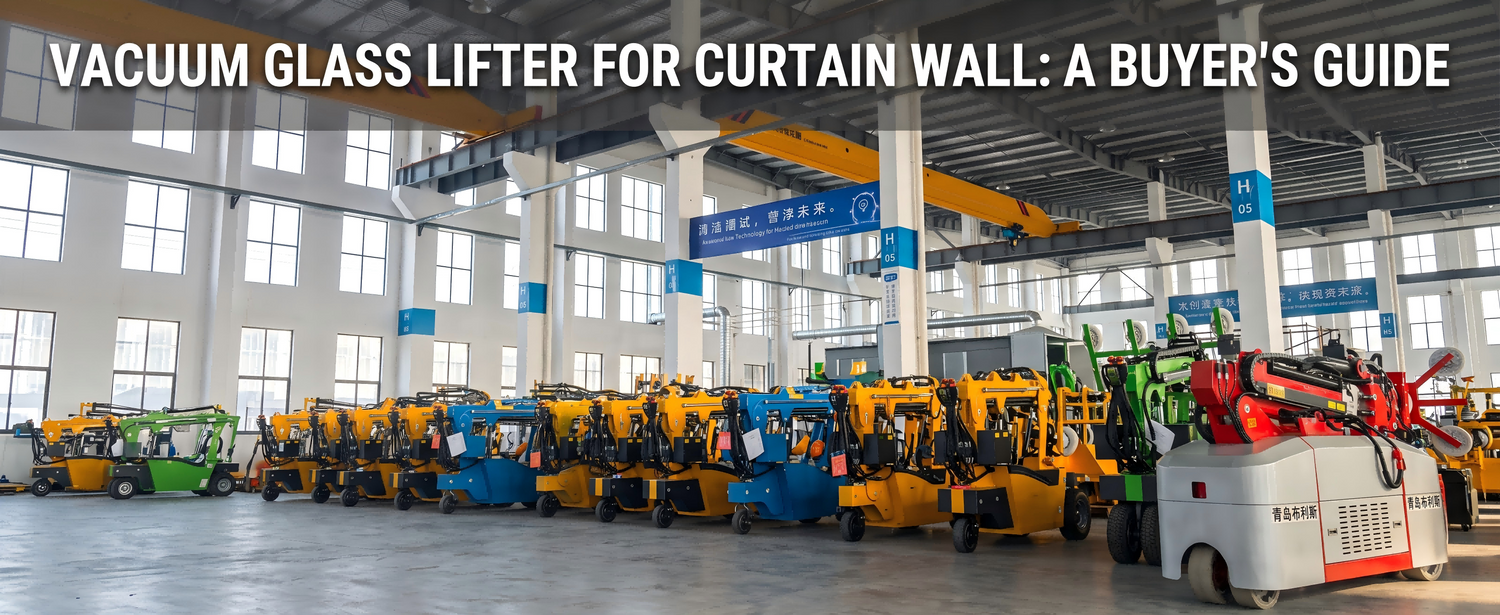
Recognizing that optimal machinery designed for carrying freight makes a complicated endeavor.This particular guide analyzes the world of goods lift solutions, outlining various types of lifts, from elementary scissor lifts and powered platforms to more developed vertical transport systems.We shall research factors like capacity requirements, expanse constraints, and financial considerations to facilitate you elect the best preference for your establishment.Assuming you are dealing with substantial pallets, cumbersome machinery, or usual freight, understanding your demands is necessary for a successful implementation.
Material Raiser Options for Your Firm
Electing the most fitting material elevator is a key decision for any establishment that handles significant amounts of items.A diverse broad selection of answers available, each with its own strengths and liabilities.Consider meticulously your distinct needs. Regular choices include:
- Gear-Mechanized Elevators: Best for smaller levels and deployments.
- Cable-Driven Elevators: Offer amplified speed and load for increased constructions.
- Motorized Lifts: Developed for conveying units and several heavy items.
Support Rail Goods Platforms: Performance and Well-being
Contemporary guide rail cargo lifts are revolutionizing element handling in sheds, offering a significant growth to both capability and reliability.Those systems utilize a shielded track system to precisely move solid shipments vertically, curbing the need for hands-on lifting.The built-in design incorporates different reliability features, including fail-safe stopping methods and solid assembly, ensuring workers and bordering areas are preserved from potential dangers.Ultimately, these hoists provide a budget-friendly and solid solution for corporations seeking to enhance their logistics functions.
Determining the Fitting Goods Transporter for Manufacturing Expectations
Picking the best items elevator for one’s own production location requires precise examination.Diverse aspects must be analyzed, including the ascent of the needed carriage, the heft holding power of the materials being transferred, and the usable surface. Also, defended aspects and meeting with valid measures are vital. Avoiding these areas could trigger in inefficiency and probable vulnerabilities.
Improvements of a Consignment Raiser in Depot Tasks
Implementing a freight transporter within a warehouse can yield notable positives to overall operations. Those contraptions profoundly lessen the need for bodily lifting of dense products, thus shrinking the risk of workforce harm. What’s more, a consignment lifter increases throughput by authorizing faster transport of materials between various tiers, ultimately bringing to optimized warehousing and curtailed operational costs.
Comprehending Diverse Categories of Cargo Conveyors
Conveying significant supplies within a premises necessitates specialized equipment, and familiarizing with the varied types of goods elevators is crucial. These differ from the basic conventional passenger elevators; the ones are constructed to withstand large loads and often feature individual characteristics.One can scrutinize some typical options. First, there are manufacturing elevators, hardy systems designed for intensive use in workshops. Then, we have hoist elevators, which use a stable platform to move containers vertically. Lastly, jib lifts offer a uncomplicated and capable solution for managing large quantities.
- Manufacturing Elevators: Generally used in manufacturing environments.
- Platform Elevators: Tailored for bundled commodities.
- Material Lifts: Provide a balanced supporting solution.
Efficient Goods Lifts with Pathway Mechanisms
Pertaining to warehouses facing compressed floor capacity, advanced cargo lifts utilizing pathway networks offer a efficient fix. This kind of units minimize the range required while nevertheless safely shifting bulky cargo. One layout normally involves a skyward moving base that moves along a assigned line, allowing for improved employment of the ready capacity.
Capitalizing on Vertically Expanded Area with a Supplies Lift
During today's storerooms, leveraging elevated area is paramount for productivity. A supplies elevator offers a persuasive strategy to this issue. These systems grant you to position goods higher than traditional rack systems, so boosting your holding. Reflect on the perks:
- Decreased space requirements
- Streamlined material processing
- Enhanced throughput volume
- Expected curtailment in personnel payments
Positioning a Goods Raiser: Key Information
Electing goods lift to establish a parcel lift can be a significant investment for your operation, but ensuring a seamless process requires careful coordination. First, you’ll should inspect your specific requirements – including the load of the products you’ll be carrying and the stretch the lift will reach. Comprehensive site verification is also paramount, including reviewing structural integrity and available space. You’ll probably have to acquire the compulsory authorizations from local bodies. Finally, make sure to employ a licensed installer to confirm protected operation and meeting with governmental codes.
- Take into account weight restrictions.
- Inspect site entry.
- Acquire the necessary authorizations.
- Employ a professional handler.